Whoa! Okay, so this is one of those topics that feels both obvious and slightly terrifying once you poke at it. MEV—miner (now builder) extractable value—has moved from a niche research paper buzzword to something that actively reshapes how DeFi trades execute. My first instinct was: “meh, that’s for the whales.” But then I watched a simple DEX trade get sandwiched and lose a few percent in seconds. Ouch. Something felt off about trusting raw RPCs and optimistic UIs after that.
I’ll be honest: I’m biased toward tooling that simulates transactions before you hit send. It saved me more than once. On one hand, blockchains are deterministic; on the other, the environment around a transaction—mempool visibility, gas bidding, builder strategies—introduces a messy human layer that eats your profit or ruins your UX. Initially I thought better slippage settings would solve everything, but then I realized MEV mitigation needs multiple layers: better wallets, private relays, simulated calls, and smarter approvals.
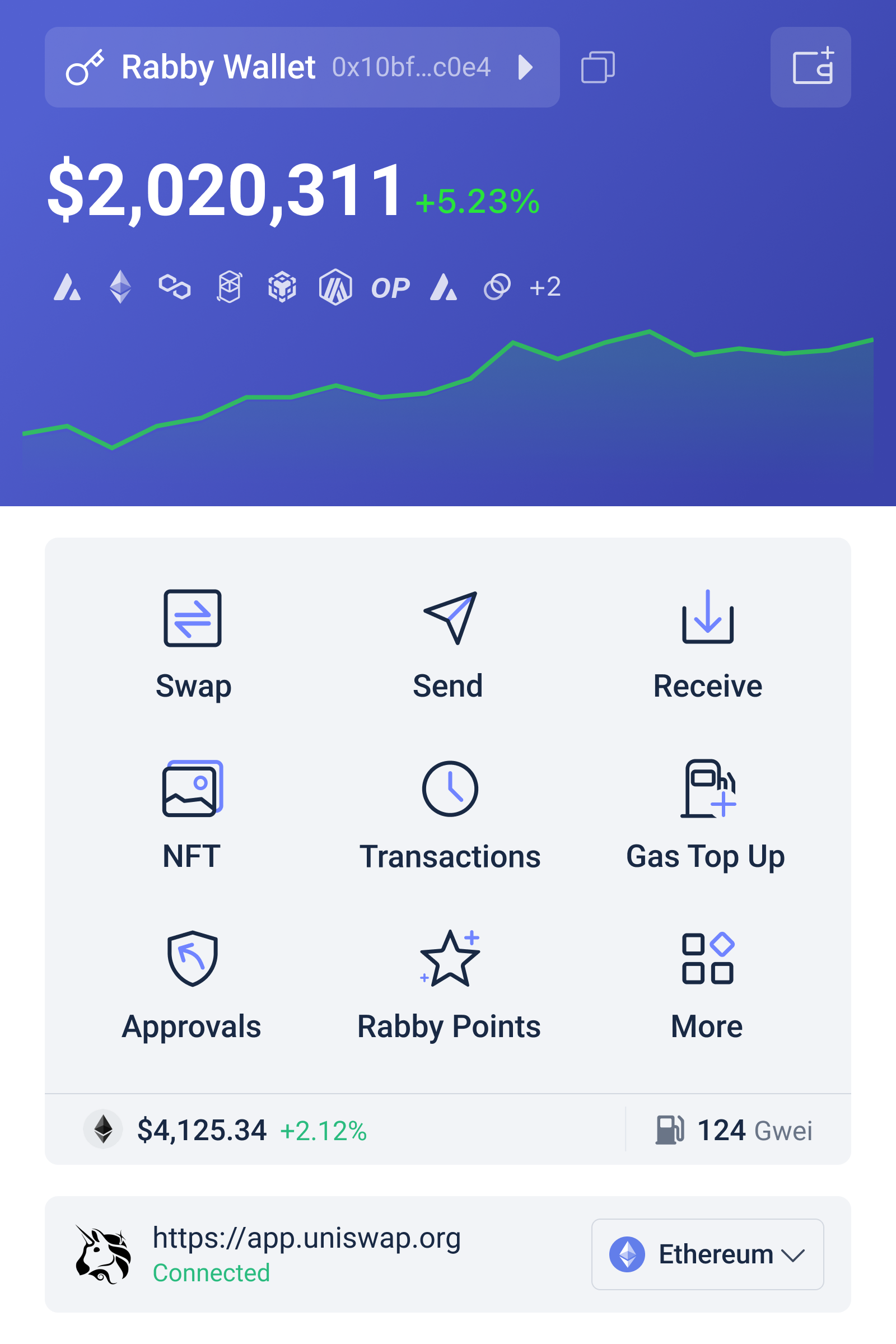
Let’s dig in. This isn’t just theory. You’ll get practical guardrails for smart contract interaction, and a clear reason to prefer wallets that give you transaction simulation and MEV-aware routing as native features. (oh, and by the way… if you want a wallet that actually shows simulation and risk details, check out https://rabby-wallet.at/ —I’ve used it as a mental model for much of what I’m describing.)
What MEV actually is — and why typical wallets don’t protect you
MEV used to mean “miners capturing value by reordering transactions.” Now it’s about block builders, relays, searchers—an ecosystem. At its simplest, MEV is profit opportunity that arises from knowing other pending transactions in the mempool and reordering, inserting, or censoring them. Sandwich attacks, backruns, and frontruns are classic examples. But there’s also more subtle forms: liquidation snipes, arbitrage extraction, and even reorg-enabled extraction in the worst cases.
Seriously? Most consumer wallets just send raw transactions to RPC endpoints and never simulate what happens in the wild. They might show slippage and gas estimates, but they rarely tell you: “Hey—this trade, if broadcast publically, has a high chance of being sandwiched” or “this approval gives unlimited access and you should set a cap.” So the wallet UX leaves you exposed.
Here’s the thing. MEV exposure comes from two sources: the transaction itself (its footprint, value, timing) and the route it takes to the block builder (public mempool vs private relay). Fixing either helps; doing both is best.
Practical MEV protections you can use right now
Short checklist, then detail. Use simulation. Prefer private relays or bundle services. Limit approvals. Monitor slippage and deadlines. Consider gas strategy beyond just “faster.”
Simulation first. Always run an eth_call / dry‑run locally or via your wallet’s simulation feature before broadcasting. Simulation exposes revert reasons, slippage edge cases, and state-dependent outcomes—like whether a MEV bot can flip a pool imbalance right before you. Simulations are not perfect, but they’re a huge reduction in surprise risk.
Private relays and bundling. If your wallet or service supports sending to a builder or private relay (Flashbots-style or builder/CBN relays), you avoid public mempools where searchers lurk. That doesn’t eliminate all MEV, but it prevents many sandwich/backrun vectors.
Approve civility. Unlimited token approvals are a UX convenience but a security liability. Use allowance caps, and prefer wallets that let you set per-contract, per-amount approvals easily. Also, use permit() when available—reduces the steps and the moment a token transfer appears in the public mempool.
Nonce and gas management. Nonce reuse and manual nonce juggling can be dangerous cross-chain. Set up wallets that correctly manage nonces across chains and handle concurrent txs safely. And don’t rely on the “set gas to max” approach—optimizing gas price and observing network conditions reduces your txs becoming attractive targets.
Smart contract interaction: think like a dev, act like a user
Interacting with contracts blindfolded is asking for trouble. Learn to read ABI calls in the wallet UI, or at least use a wallet that shows decoded calldata. Know the difference between approve(), transferFrom(), and permit().
For dApp builders, add a simulation endpoint and return decoded results that wallets can surface. For users, run a local or wallet-based simulation and inspect state changes before sending. If you see exaggerated token output or warnings, pause. My instinct said “just change slippage” but actually, waiting and re-simulating after a minute often reveals bot activity has ceased.
Also: prefer wallets that surface reverter reasons instead of cryptic “tx failed” messages. A human-friendly revert helps you adjust parameters (increase gas? change deadline?) without blindly resubmitting into the same hole.
Multi‑chain realities: it’s more than different RPCs
Cross-chain nuances matter. Chains have different block times, MEV ecosystems, and typical builder behavior. Polygon/Arbitrum/Optimism have distinct trade dynamics versus mainnet. Some L2s funnel transactions through centralized sequencers—this reduces certain public-mempool vectors but introduces trust and censorship tradeoffs.
If you use the same wallet across chains, ensure it manages RPC endpoints, gas-token specifics, and decimals neatly. Also, check whether your wallet provides per-chain simulation and chain-aware routing. A one-size-fits-all simulation that assumes mainnet timing will mislead you on Arbitrum, for example.
And bridging. Bridges are often the vector for large MEV extraction—because batched relayers move sizable aggregated value. Treat bridges like contracts and simulate bridge calls when possible. If you care about privacy and slippage, consider split transfers or bridges that offer privacy-preserving rollups, though those come with their own tradeoffs.
Why your wallet choice matters (and what to look for)
You’re trusting the UI to show you the right things: decoded calldata, gas & priority fee context, a simulation that includes stateful effects, and routing options (public vs private). A good multi‑chain wallet will:
- Simulate transactions on the chain you plan to use, not generically.
- Offer private-relay or builder bundling options when sending high-value txs.
- Surface token approvals, allow easy allowance revocation, and recommend permit() where available.
- Show decoded smart-contract calls and revert messages without making you paste hex into a decoder.
I’m biased, sure. But when a wallet shows the simulation output, flags potential sandwich risk, and lets you send via a relay—that’s a night-and-day difference in risk profile. I say it because I’ve seen trades survive that would have otherwise lost 1–3% immediately—very very noticeable on small margins.
Operational tips for power users
Batch your actions wisely. Use fewer transactions with careful calldata rather than lots of micro-txs that expand attack surface. Consider using transaction builders or scripts that submit bundles directly to builders when executing complex strategies.
Use hardware wallets for signing. They don’t stop MEV but they reduce front-end malware or clipboard attackers. Combine hardware signing with a wallet that simulates before requesting a signature. Your hardware device should display meaningful human-readable confirmations, not just hex hashes. If it doesn’t, pause.
Finally, keep an eye on community tools. There are mempool monitors and searcher dashboards that signal interesting activity. They can help you decide whether to delay a trade or route it differently.
FAQ
Q: Can MEV be eliminated?
A: No, not completely. MEV is a property of permissionless, sequential ordering systems. You can mitigate many practical attacks (sandwich, simple frontruns) via private relays, bundling, and better UX, but core systemic forms of MEV remain until protocol-level changes (like proposer-builder separation variants and stronger block-builder decentralization) are widely adopted.
Q: How reliable are transaction simulations?
A: Simulations are helpful but not perfect. They model on-chain state at the moment of the call; between simulation and inclusion, state can change. However, a simulation that includes mempool modeling and front‑running heuristics is far more useful than none. Use simulation results as guidance, not gospel.
Q: What’s the single most useful thing a wallet can do for MEV protection?
A: Provide safe, chain‑accurate transaction simulation and give you routing choices (public vs private relay) with easy toggles. Combine that with clear approval controls and you’re already a lot safer.